


 16.02.2011, 07:44
|
Язык оригинала: Русский #1 |
|
Гуру
Регистрация: 04.06.2008
Сообщений: 14,663
Спасибо: 18,865
Поблагодарили 16,460 раз(а) в 4,507 сообщениях
Записей в дневнике: 271
Репутация: 32447
|
 Revolution in the museums
A revolution in museums
Egypt sums up the victorious revolution. Especially painful part - the fate of local museums, especially the most important, the Egyptian Museum in Cairo, literally stuffed with ancient artifacts. Minister of Antiquities Zahi Hawass said: "If the Egyptian Museum in security - security in Egypt. I'm afraid, Egypt is not safe." Egyptian Museum in Cairo at the place of honor - in a huge centenary neoclassical building on Tahrir Square. During the popular uprising was unfolding around major events. When the Tahrir fled police, students, museum workers and simply conscious demonstrators human chain rose up around the museum to save it from looting . Valley of the Kings and Valley of the Queens, temples Karnak and Luxor before joining the army defended from marauding groups of local residents. All enlightened humanity should bow at the feet of these people. When the army came Tahrir, for her protection of the Egyptian Museum was a priority. Almost immediately, the military cordoned off and pyramids. But fully protect Egyptian antiquities from the looters did not succeed. On the night of 28 to 29 January in the building of the Egyptian Museum penetrated the roof of the nine robbers. They are crushing windows, ripped from the walls of the ancient bas-reliefs, broken artifacts. Fortunately, this was an isolated incident.
Читать дальше...
|

|

|


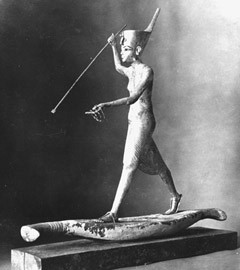 Missing statue of Tutankhamen. Photo from drhawass.com 1.

 Древовидный вид
|
|

 Похожие темы
|
||||
| Тема | Автор | Разделы | Ответов | Последние сообщения |
| Contemporary art of Ukraine (without revolution) | gans | Ukrainian artists | 385 | 18.09.2020 11:15 |
| "Revolution" by Marc Chagall at Bonhams | SergeiSK | Auctions | 0 | 23.04.2010 20:38 |
| Controlled Cultural Revolution | Евгений | Art Kaleidoscope | 3 | 03.03.2010 17:40 |
| Revolution canceled | Admin | Discuss the Site and the Forum | 74 | 21.04.2009 08:40 |
Часовой пояс GMT +3, время: 14:42.
Powered by vBulletin® Version 3.8.3
Copyright ©2000 - 2026, Jelsoft Enterprises Ltd.
Copyright ©2000 - 2026, Jelsoft Enterprises Ltd.